

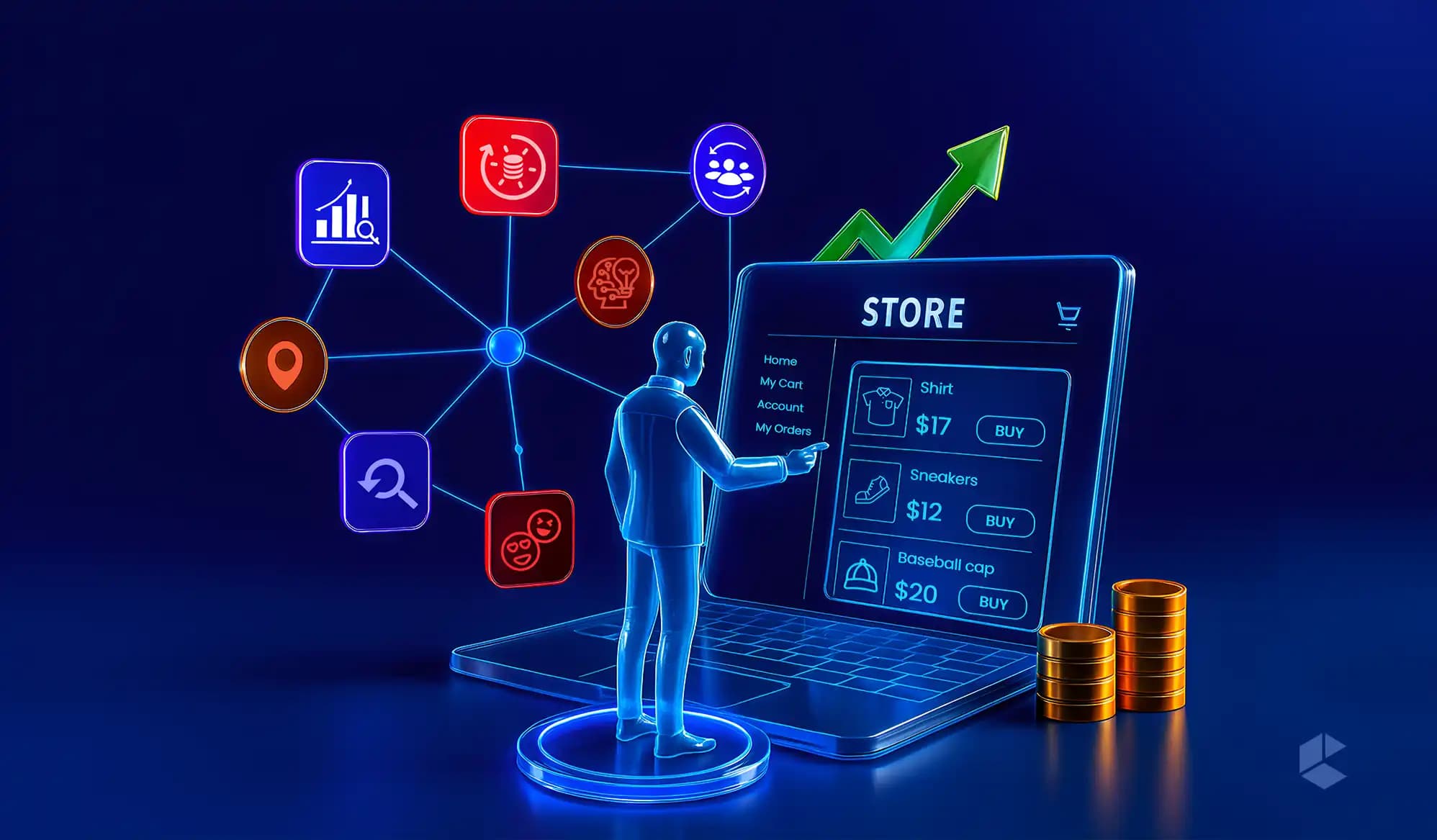
If there’s one thing customers have made clear in the past few years, it’s that generic experiences no longer feel good enough. People want brands to understand their needs, preferences, and intentions. They want interactions that feel relevant and timely. That growing expectation pushed personalization into a new phase, something far more advanced than adding a name to an email. This new phase is hyper personalization.
You’ve probably heard the term around digital commerce conversations. In 2025, it has shifted from an emerging idea to a practical strategy backed by real time data and AI driven insights.
What Hyper Personalization Really Means
Traditional personalization works on the basics. It looks at past purchases or browsing history and then delivers mildly relevant suggestions. It feels helpful, but only on the surface.
Hyper personalization takes things much further. It focuses on behaviour that is happening at the moment. It studies how a user interacts with your app or website, what they are exploring, where they are browsing from, and which device they prefer to shop on. It also reads context such as weather, time of day, and local trends. All of this comes together to deliver tailored recommendations that feel timely and very specific.
Instead of a simple “you bought sneakers previously so here are more sneakers,” the experience shifts to something like “it’s raining in your city right now and here are waterproof sneakers in your size with delivery available tomorrow.” The difference is immediate and impressive.
Why Hyper Personalization Matters in 2025
Customer journeys have become unpredictable and multi-layered. Someone might research on mobile, compare prices on a marketplace, watch reviews on TikTok, and finally complete the purchase from a desktop. When every customer behaves differently, a one size fits all experience simply breaks.
Hyper personalization helps brands stay relevant throughout that journey. It creates smoother interactions, reduces decision fatigue, and brings the right content or product to the customer just when they need it. It strengthens trust, improves retention, and supports long term loyalty. Once a customer gets used to this level of personal relevance, going back to generic interactions feels like navigating without a map.
How Hyper Personalization Works Behind the Scenes
There is a method behind the magic. Here are the main components that support hyper personalized experiences.
Real time data
Brands move away from relying only on old data. They study live activity such as clicks, scroll depth, dwell time, bounce behaviour, and hesitations. This helps the system understand what the customer is thinking about right now instead of what they liked weeks ago.
AI and predictive modeling
AI observes patterns and predicts what a customer might do next. It can identify purchase intent, preference shifts, channel habits, or when a user is about to drop off. These predictions help brands engage at exactly the right moment.
Contextual intelligence
Hyper personalization adapts to everything happening around the customer. Weather changes, local events, stock availability, time zone differences, ongoing trends, and even the customer’s emotional stage all influence the experience.
Unified customer profiles
All interactions flow into a single customer view. This removes silos and helps brands understand the customer as one complete person rather than multiple disconnected touchpoints.
Strategies That Actually Work in 2025
Real time product suggestions
Static “recommended for you” sections are slowly disappearing. Brands now display product suggestions that refresh instantly based on the customer’s latest action. For example, if a user spends time on a product but does not add it to the cart, the page may switch to similar items with faster delivery or better reviews.
Personalized messages across touchpoints
Hyper personalization goes beyond websites and apps. Brands extend it to emails, SMS, push notifications, WhatsApp interactions, and chat interfaces. The system studies which channel the customer responds to the most and continues conversations on that channel.
Predictive nudges
AI identifies early signs of hesitation. If a customer is close to abandoning a cart, comparing products, or slowing down in the journey, brands send meaningful nudges. These nudges might highlight reviews, reassure about delivery, or offer a small incentive.
Suggestions that consider context
When the environment influences behaviour, recommendations become even more relevant. A skincare brand might promote hydrating products when humidity drops. A grocery app might suggest warm recipes during a cold wave. A travel brand might highlight weekend trips when temperatures soar.
Personalization across different customer stages
Every customer is in a different phase of their journey. Hyper personalization respects that. New visitors receive simple guidance, loyal customers see reminders about their usual choices, and at-risk customers get re-engagement prompts. This approach keeps every stage meaningful.
How Brands Can Begin Without Feeling Overwhelmed
Hyper personalization might sound complex, but starting small works beautifully.
Bring all customer data into one place
A strong Customer Data Platform helps unify customer information. When everything sits in one place, personalization becomes smoother and more accurate.
Start observing real time behaviour
Tracking small signals such as cursor pauses, page revisits, and video interactions creates a deeper understanding of the customer’s intent.
Use predictive capabilities even in simple forms
Modern tools offer ready made models that can predict churn, purchase intent, or product affinity. Brands can start with these baseline models and expand gradually.
Personalize across multiple channels
The customer journey should feel consistent everywhere. When personalization flows across email, SMS, push notifications, and chat apps, the experience becomes seamless.
Iterate and expand
The best results appear when brands test, refine, and scale. Hyper personalization improves with every interaction, so continuous learning becomes part of the process.
Where Hyper Personalization Is Heading After 2025
The future points toward richer, smarter, and more intuitive experiences. AI models are getting better at understanding subtle patterns. Predictive journeys are becoming more automated. Personalization across voice, video, and conversational interfaces will grow rapidly. Loyalty programs will become more tailored. And digital commerce experiences will feel more like guided journeys than traditional shopping.
Conclusion
At the end of the day, hyper personalization isn’t a fancy trend anymore. It’s simply how customers expect brands to treat them in 2025. People want experiences that feel natural, timely, and actually helpful, not generic suggestions that miss the moment. The good news is that brands don’t have to overhaul everything at once. Bringing data together, watching real time behaviour, and adding small predictive elements already make a noticeable difference. And as these systems learn, the experience only gets sharper. Hyper personalization is becoming the new baseline for digital commerce, and the brands that embrace it early will stay ahead while everyone else feels a step behind.
How is hyper personalization different from normal personalization ?
Traditional personalization looks at past actions, like previous purchases or browsing history. Hyper personalization focuses on what a customer is doing right now and uses real time data, context, and AI predictions to deliver much more accurate and timely recommendations.