

- Wellness shopping is shifting toward personalized clarity.
- AI links health data directly to choices.
- Smart shelves guide shoppers with tailored cues.
- Ecommerce needs purpose-driven product categories.
- Transparency builds trust and long-term loyalty.
- Prevention integrates into everyday food decisions.
The way people shop is shifting in a big way. What used to be a simple visit to the grocery aisle is turning into something far more complex and personal. Consumers aren’t just choosing products anymore. They’re trying to match what they buy with their health goals, their mood, their energy levels, and even their long-term well-being. Meanwhile, digital tools are quietly collecting information about how people sleep, move, eat, and feel.
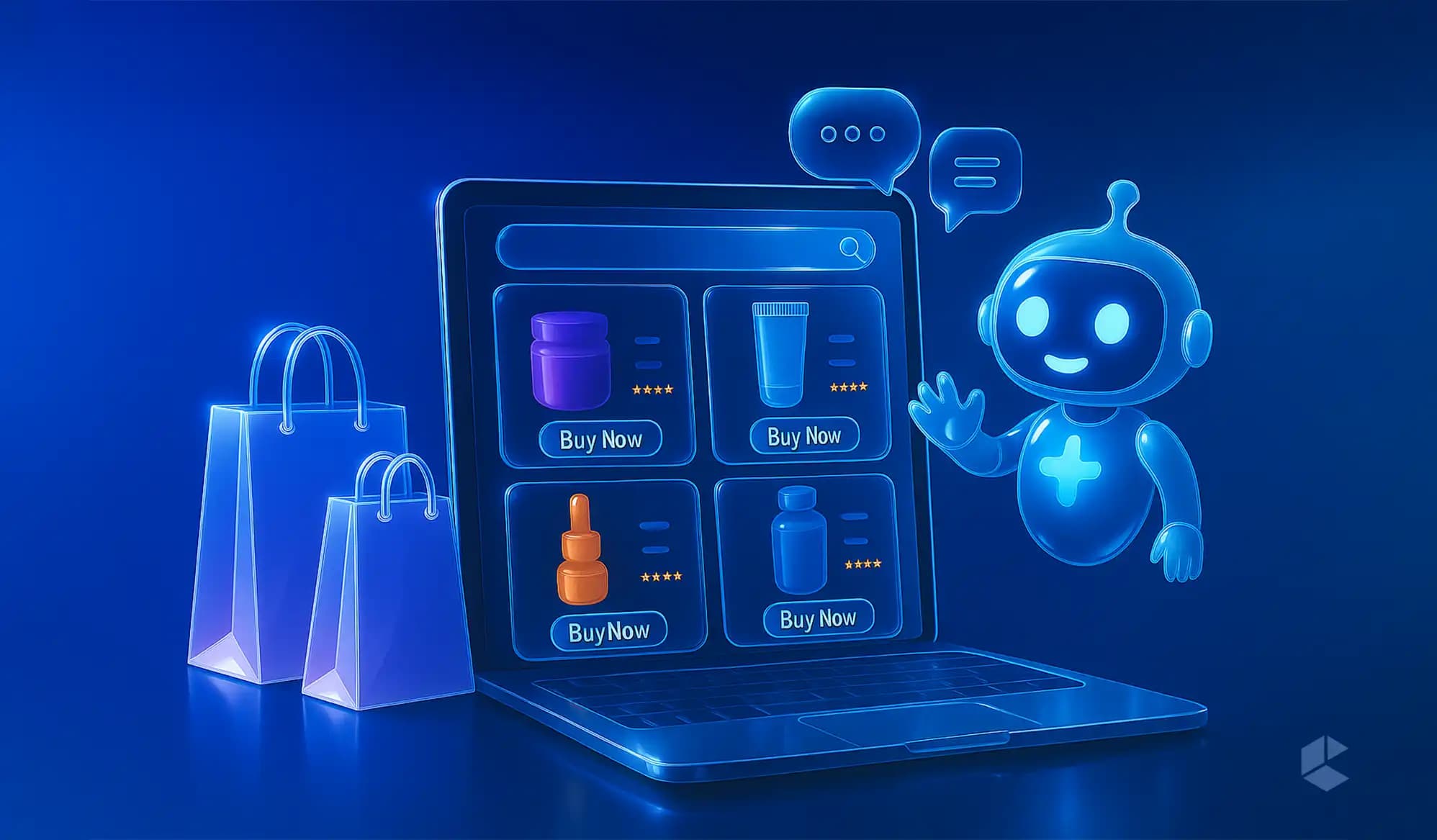
When you combine these two forces, the next era of ecommerce starts to take shape: an ecosystem where health data influences what people choose and where AI acts as a guide rather than just a recommendation engine. The path from aisle to AI is not just a technological upgrade. It is a fundamental change in how consumers make decisions and how retailers must support them.
Why Wellness Has Become the New Anchor for Shopping
The modern shopper views health as a daily priority, not a once-in-a-while project. People are increasingly conscious of foods that support gut balance, emotional stability, focus, sleep and long-term vitality. But the surge in interest hasn’t made shopping any easier. If anything, it has made it more confusing.
Rising Intent, Rising Uncertainty
Consumers want to make better choices, yet they find themselves overwhelmed. Nutritional advice shifts constantly. Influencers compete with experts. Ingredients that were considered healthy five years ago suddenly face scrutiny. Even understanding what counts as ultra-processed food can feel like studying for an exam.
The result is that shoppers walk into stores or browse ecommerce platforms with good intentions but low confidence. They want help cutting through the noise.
Wellness Vs Affordability
Another factor is cost. Many wellness-oriented items are priced at a premium, especially products marketed as gut-friendly, clean-labeled or functionally enhanced. This puts pressure on shoppers who want to prioritize health but can’t always justify the expense.
This economic split creates an unequal wellness landscape. Some consumers can maintain a health-first approach consistently, while others must make trade-offs during every shopping trip.
Retailers who understand this tension can build strategies that offer clarity and support without alienating shoppers who are price-sensitive.
A Rapidly Widening Knowledge Gap
People care about long-term well-being more than ever, but the more they care, the more lost they often feel. The market is full of terminology and claims that are hard to interpret without scientific literacy. As a result, the average shopper relies on instinct, brand familiarity or social media rather than informed decision-making.
This disconnect between desire and capability is exactly where technology begins to step in.
AI Enters the Scene: The First Real Bridge Between Health and Shopping
Artificial intelligence is not transforming retail because of novelty. It is transforming retail because consumers need help making sense of their own choices. AI finally gives structure to the chaos.
The Rise of the Personal Health Model
Smartphones, wearables, sleep trackers, food logging apps, and step counters already collect huge chunks of our daily behavior. Until recently, these were isolated fragments of information. AI changes that by pulling data together into a unified model that reflects how someone is actually doing.
This model adapts daily. It understands the connection between habits and outcomes. It can recognize the effect of a late heavy meal on sleep, or how low daily movement correlates with energy dips. More importantly, it can translate these insights into practical suggestions that feel natural and manageable.
Instead of telling someone to “eat healthy,” it guides them based on their context:
- “Your sleep has been disturbed. Consider a lighter dinner today.”
- “Your activity levels dropped. Increase hydration for balance.”
- “Your recent food logs show patterns affecting mood or digestion.”
These are small adjustments, but they are grounded in personalized relevance rather than generic advice.
Turning Health Logs into Real-World Decisions
As AI systems understand users more deeply, they stop being passive data collectors and start acting like active companions. That’s where shopping begins to evolve.
If your digital health profile already knows your tendencies, your sensitivities, and your goals, it can support your choices right when you’re browsing products. It turns the act of choosing into something guided rather than uncertain.
Instead of shoppers asking, “Is this good for me?”, the question becomes, “Is this good for me right now?” And AI can answer that with clarity.
Shopping Reinvented: AI Enters the Aisle and the Ecommerce Page
This shift doesn’t stay inside mobile apps. It moves directly into the physical and digital shopping experience.
Scanning Products Becomes Smart and Personalized
The next generation of shopping tools will let people scan an item and immediately understand how well it aligns with their wellness goals. Not through complicated charts or scientific language, but through a simple interpretation of what the product means for them personally.
Information becomes intuitive. Instead of reading hundreds of labels or comparing dozens of ingredients, users get a real sense of fit. This removes the guesswork that has long plagued wellness shopping.
Smart Carts and Smart Shelves
Retailers experimenting with tech-enabled carts or scanner-linked tools are moving toward experiences where the store begins to respond to the shopper.
As a shopper scans items, the system may show:
- Personal compatibility scores
- Suggestions for better alternatives
- Alignment with digestive, cognitive, or metabolic goals
- Real-time insights about processing levels
The Store of the Future: Responsive, Predictive, Personal
The next decade will completely reshape what consumers expect when they walk into a physical store or browse an ecommerce platform. The shopping environment will no longer be a static space filled with products. It will behave more like a wellness assistant that adapts to each person.
Shelves and Screens That React to Individual Shoppers
Imagine walking into a store where digital shelf displays shift depending on who is in the aisle. Instead of overwhelming rows of nearly identical items, you see subtle indicators, small highlights, and simple cues that point toward products that match your wellness profile.
A shelf might spotlight items that:
- Support digestive balance
- Help manage energy through the day
- Align with low-processing or clean-label preferences
- Match patterns in your recent food logs
- Fit your sleep and stress patterns from the previous week
This turns the store into a curated environment instead of a guessing game. You still have full freedom, but the friction of choosing is dramatically reduced.
Grocery Shopping Begins to Overlap with Preventive Health
As AI observes daily trends in sleep, movement, digestive patterns, and mental well-being, it can identify early signs of potential issues long before they become noticeable. Small deviations in metrics can often predict when a person might fall ill, feel fatigued, or experience digestive trouble.
If your wearable shows unusual sleep disruptions and lower recovery levels, your shopping assistant could highlight calming teas, lighter meal options, or foods that are known to be gentle on the gut.
Instead of reacting to problems, shoppers begin to shape their diet proactively. Retail becomes an ongoing touchpoint for everyday well-being rather than occasional treatment.
The Emergence of Medically Influenced Sections
As wellness blends with everyday grocery behavior, we will likely see curated product zones that support specific health objectives. These areas aren’t medical in the clinical sense, but they are informed by patterns in consumer wellness data and nutritional science.
Examples might include:
- Gut-supporting foods arranged together for easy planning
- Options known for regulating blood sugar grouped in one section
- Dedicated spaces for foods that help promote better sleep
- Curated picks for mood balance and sustained energy
- Microbiome-friendly combinations presented as easy shopping bundles
In ecommerce, these same categories become powerful filters. Instead of browsing by cuisine or format, shoppers browse by purpose.
A New Kind of Consumer Expectation Forms
Once people get used to this level of guidance, the absence of it will feel like a missing feature. The shift is similar to when smartphones introduced predictive text or personalized notifications. What began as a novelty quickly became a baseline expectation.
Retailers who cannot deliver personalized clarity will feel outdated, just as websites without mobile optimization began to feel obsolete a decade ago.
What This Means for Ecommerce Companies and Retail Brands
The opportunities ahead are massive, but they also require a total mindset shift. The ecommerce platforms that win the next era of growth are the ones that treat health-driven personalization as a foundational part of the experience, not an optional layer.
Personalization Evolves From “Bonus” To “Mandatory”
In the past, recommendation engines relied heavily on browsing history or general popularity. That model is already becoming obsolete. Wellness-aware shoppers expect suggestions rooted in their personal needs.
This means ecommerce platforms must integrate:
- user health preferences
- dietary sensitivities
- personal wellness goals
- processing-level awareness
- patterns in past choices that correlate with energy or mood
When shoppers feel understood, they feel supported. And supported shoppers become loyal shoppers.
The Rise of Purpose-Driven Product Discovery
The traditional way of organizing ecommerce categories no longer makes sense for wellness-first consumers. People don’t think, “I need a snack.” They think, “I need something that won’t mess up my sleep,” or “I need something light because my digestion has been off.”
Ecommerce platforms will need to create purpose-first discovery paths such as:
- “Gut-friendly picks”
- “Better sleep tonight”
- “Foods that work well with low activity days”
- “Mood and focus support”
- “Low-processing score items”
Purpose replaces genre. Outcome replaces category.
Transparency Becomes the Biggest Trust Signal
The more honest and straightforward a product’s health implications are, the more consumers will gravitate toward it. Clear scoring models, simple explanations, and visible comparisons help shoppers feel confident.
Vagueness will become a red flag. Precision will become the competitive differentiator.
Brand Loyalty Shifts Toward Guidance-Oriented Retailers
Consumers aren’t just loyal to brands anymore. They’re loyal to retailers who guide them. If an ecommerce platform can consistently simplify choices and help them make decisions aligned with their wellness goals, they will keep returning regardless of product variety or price competition.
- The retailer becomes the partner.
- The product becomes the tool.
- Guidance becomes the real currency.
The New Challenges Retailers Must Prepare For
The shift toward AI-guided wellness shopping is powerful, but it isn’t smooth. Retailers who want to lead this transformation must navigate several obstacles with care. These challenges aren’t deal-breakers, but ignoring them could slow adoption or break consumer trust.
Privacy Becomes the First Battle
If retailers want access to personal wellness data, they must earn that trust. Shoppers will not hand over detailed sleep, diet, or behavior information unless the platform feels safe and transparent.
This means retailers must:
- clearly explain how data is used
- avoid over-collection
- ensure strong security protections
- respect that wellness information is emotionally sensitive
The brands that treat data with respect will gain an enormous advantage.
Wellness Must Not Become a Luxury
Many wellness-focused items already sit at higher price points. If AI-powered personalization highlights only premium items, a large portion of shoppers will feel excluded.
This creates a responsibility for retailers to:
- offer accessible alternatives
- ensure that guidance accommodates budget constraints
- avoid reinforcing a two-speed wellness system
Inclusivity isn’t just ethical. It is commercially smart.
Over-Reliance on Algorithms Can Backfire
AI can guide, but it cannot replace human nuance. Retailers must avoid creating experiences where consumers feel like their food decisions are controlled by a machine.
The ideal balance:
- AI gives clarity
- humans stay in control
The moment shoppers feel judged, restricted, or “scored,” they pull away.
Regulation Will Tighten
As food, wellness, and guidance blend together, regulators will eventually demand clarity around terms like “health scoring,” “processing levels,” “preventive suggestions,” and “medically informed recommendations.”
Retailers who stay ahead of this curve will avoid compliance shocks later.
Some Shoppers Will Resist
Even with clear benefits, not everyone will want algorithmic help. Some will prefer manual browsing. Others will hesitate to mix health data with retail. Retailers must design systems that enhance shopping without forcing the experience. Optionality is key.
The New Playbook for Retail and Ecommerce Growth
Retailers that want to thrive in the AI-driven wellness era need a new strategic foundation. The following principles will define the leaders of the next decade.
Build Ecosystems, Not Just Catalogs
Consumers don’t want more choices. They want better direction. The most successful retailers will shift from “infinite aisles” to curated, intelligent ecosystems that show shoppers where to start.
Personalization Must Flow Across Every Touchpoint
From homepage recommendations to product pages to checkout bundles, personalization must feel continuous, not fragmented. A shopper’s health-informed profile should influence:
- What products appear first
- Which collections are highlighted
- Which alternatives are suggested
- How bundles are curated
When people feel recognized, they engage more.
Transparency is Your Marketing
Instead of catchy claims or buzzwords, the future belongs to retailers who can clearly explain why a product matches someone’s health goals.
Straightforward explanations beat exaggerated marketing every time.
Remove Friction from Decision-Making
Shoppers face uncertainty when the information is too complex. Retailers must remove this friction with:
- simple product scores
- high-level summaries
- quick comparisons
- minimal jargon
Confidence is the new conversion driver.
Turn the Store into a Wellness Support System
The most forward-thinking retailers will treat every visit as an opportunity to help shoppers feel better, not just buy more. This mindset builds loyalty that no discount can replicate.
The Consumer of the Future: Informed, Supported, Empowered
The AI-powered retail world is not designed to control shoppers. It is designed to support them. Consumers are already overwhelmed with conflicting health information and wellness noise. They don’t want more content. They want clarity.
The consumer of the future will:
- Expect personalized insights
- Browse through purpose-driven categories
- Trust retailers who guide with honesty
- Look for options that fit their real-time lifestyle
- Prefer ecosystems that reduce anxiety and confusion
Shoppers don’t want to become nutrition experts. They want someone to simplify the complexity for them. AI becomes that someone.
Conclusion
The journey from aisle to AI represents one of the biggest shifts in the history of retail. It changes how consumers think about food, how they shop, and how brands must operate. The future of ecommerce isn’t just fast, convenient delivery or large catalogs. It is intelligent, wellness-informed guidance that gives shoppers a sense of confidence instead of confusion.
As health-tracking becomes second nature and AI becomes more integrated with daily life, consumers will rely increasingly on technology to validate their choices. Retailers who embrace this shift will build deeper loyalty, better shopping experiences, and stronger long-term growth.